
Understated Elegance, Elevated Living
What Quiet Luxury Really Feels Like
Materials and Finishes That Age Beautifully
Light That Layers Without Shouting
01
Ambient Foundations
Ambient light acts as a baseline, erasing harsh shadows and making rooms feel soft and welcoming. Recessed fixtures with thoughtful spacing, translucent shades, and indirect sources lift ceilings and elongate walls. Choose warm, consistent color temperatures around 2700–3000K to flatter skin and materials. Use dimmers to adapt throughout the day. When the foundation is right, you rarely notice the lighting itself—only the ease it brings to conversation, movement, and lingering moments of quiet.
02
Task Without Harshness
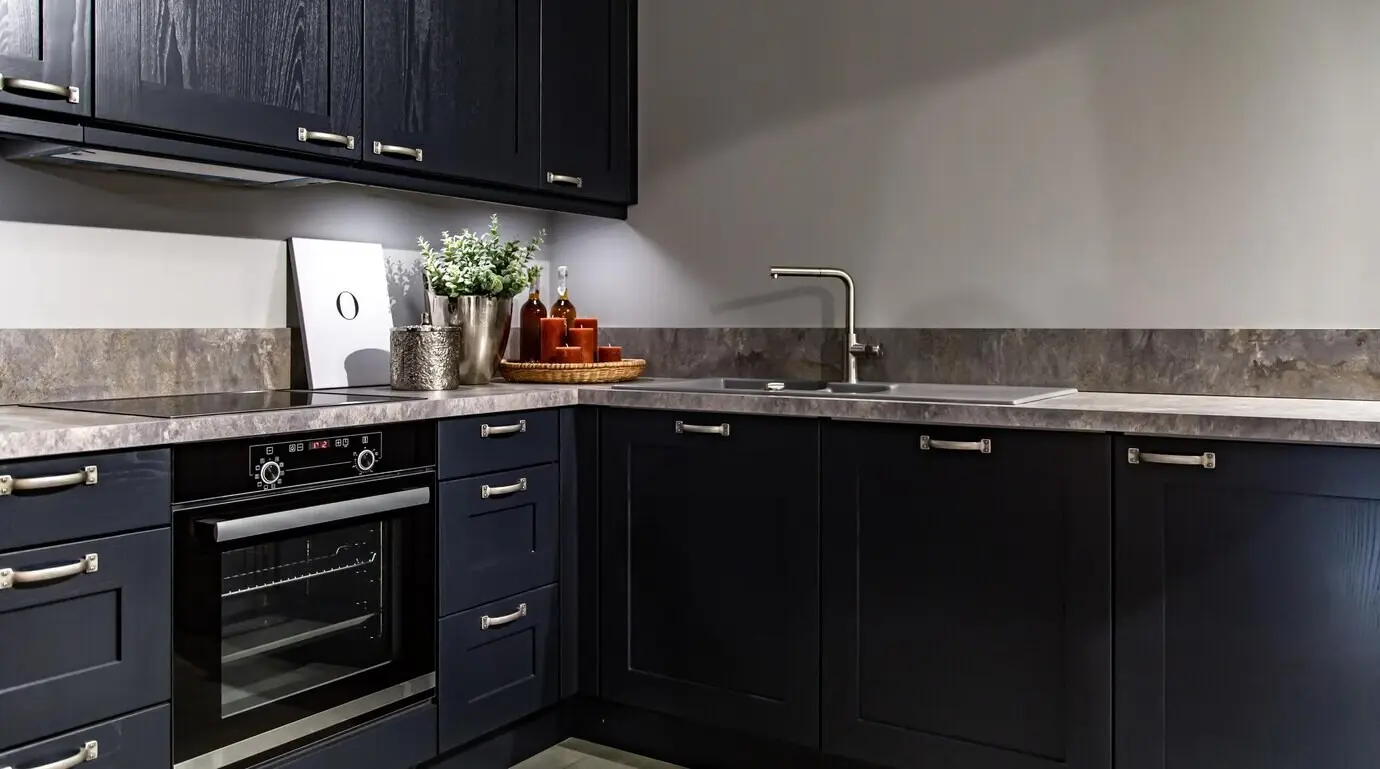
Task lighting should deliver clarity while protecting eyes from fatigue. Under-cabinet strips with proper diffusion, swing-arm sconces beside reading chairs, and pendants positioned thoughtfully over work zones focus light precisely where needed. Seek high CRI values for true color, but keep brightness layered with ambient sources to avoid contrast spikes. A well-placed shade or lens can prevent glare, ensuring that chopping vegetables, reading, or writing feels comfortable, efficient, and remarkably unintrusive all at once.
03
Accents for Quiet Drama
Accent lighting adds dimension without theatricality. Aim narrow beams at textured plaster, art, or architectural details to create depth and gentle shadow play. Consider wall washers that smooth surfaces rather than spotlighting aggressively. Keep controls independent so accents can glow softly while other layers dim. By letting light skim across stone or linen, you invite the room to whisper rather than shout, revealing character and craftsmanship during evening hours when subtleties matter most.
A Palette of Calm: Color and Texture
Tonal Harmonies
Texture Over Pattern
Natural Fabrics That Breathe
Invisible Comfort: Acoustics, Air, and Tech
Soften the Soundscape
Luxurious rooms sound soft. Layer rugs over hard floors, add lined drapery, and consider acoustic panels disguised as art. Solid-core doors and weatherstripping reduce bleed between spaces. Even bookcases filled with varied spines help diffuse reflections. Use felt pads beneath furniture and soft-close hardware to tame incidental noise. The goal isn’t silence, but a soothing hush that supports music, laughter, and focus, where voices are clear and clattering dishes no longer dominate mealtime.
Cleaner Air, Quieter Systems
Prioritize a well-sealed envelope, balanced ventilation, and effective filtration to create air that feels effortless to breathe. Choose equipment and ducting sized correctly to minimize mechanical noise and drafts. Consider ERVs for fresh air without sacrificing efficiency and add humidification where winters get dry. Hidden returns, lined ducts, and vibration isolation reduce hums. The system disappears into background comfort, improving sleep, protecting finishes, and letting scented candles or fresh flowers remain the only intentional fragrances.
Technology That Disappears
Integrate tech discreetly: in-wall speakers, flush outlets, and cable management that keeps surfaces clean. Use scenes on dimmers and smart shades that glide quietly. A central hub can unify controls while preserving tactile switches where they matter. Hide charging stations in drawers, and tuck routers into ventilated cabinets. The goal is control without clutter, convenience without spectacle, ensuring your attention stays on conversation, craftsmanship, and the pleasures of daily rituals rather than blinking lights and tangled cords.
Artful Editing: Styling With Intention
Less, But Better
Stories Over Logos
Scale and Negative Space
Investment Strategy for Lasting Value
All Rights Reserved.