Layered Lighting Plans That Elevate Spaces Without Flash

Welcome to an exploration of layered lighting plans that elevate spaces without flash. We’ll blend ambient, task, and accent light into calm, human-centered environments, prioritizing comfort, mood, and clarity. Expect practical layouts, fixture choices, color guidance, and real stories that prove quiet light can still be striking. Bring your questions and your rooms; share photos, subscribe for weekly sketches, and learn how to set scenes that make evenings softer, mornings brighter, and every corner feel intentionally alive.

Begin With a Gentle Base

Great rooms start with a forgiving base layer that fills volumes without glare, placing brightness on walls and ceilings rather than blasting downward. Think indirect coves, low-UGR downlights, and well-spaced wall washers that paint vertical surfaces. This approach calms contrast, expands perceived size, and sets up task and accent layers to feel effortless. We’ll show spacing rules, reflectance tricks, and dimming ranges that keep the base present yet barely noticeable.

Ambient, Not Overhead Blast

Swap the single-center fixture for distributed sources that breathe light into the room from multiple directions. Use trimless downlights with soft optics, floor lamps that bounce off ceilings, and shaded pendants. Aim for 10–20 foot-candles overall, with higher vertical illuminance than you expect, so faces read clearly and shadows feel gentle, even when the output is modest and energy use stays low.

Ceiling Heights, Spacing, and Reflectance

Ceiling height, room width, and surface reflectance determine spacing—not habit. Use S/M ratios from photometrics, or start simple: place downlights roughly one-half ceiling height from the walls, then maintain equal spacing. Favor light ceilings and mid-tone walls to amplify your base layer without more watts. When ceilings are low, trade recessed for wall lighting or cove accents that visually lift planes and reduce harsh scalloping.

Vertical Light Shapes Perception

We notice lit walls before bright floors, because peripheral vision reads verticals. Add wall washing or tall-shaded lamps to push light up and out, creating an airy envelope. Even modest lumen outputs feel luxurious when walls glow evenly. In hallways, a gentle ladder of sconces can replace rows of downlights, softening transitions and guiding nighttime movement with hush instead of spectacle.

Plan the Tasks, Then Dim the Edges

Once the base exists, task light slips in like punctuation—precise where needed, quiet elsewhere. Under-cabinet strips with high CRI reveal ingredients; desk lamps with asymmetric optics keep screens glare-free. Layer controls so tasks can peak while ambient retreats, avoiding the washed-out sameness of everything on high. The trick is intent: illuminate hands and faces performing activities, then let surrounding brightness fall away into a comfortable, supportive hush.

Kitchen Counters and Reading Nooks

Counters ask for continuous, shadow-free illumination; choose diffused, high-CRI bars positioned toward the backsplash to cut sparkle on shiny stone. Reading prefers a warm, directed pool arriving over the shoulder at roughly 30 degrees. Both benefit from separate dimmers, so conversation, cooking, and quiet moments can live in the same room without competing. Keep sources shielded, avoiding exposed diodes that fatigue eyes over long evenings.

Work-From-Home Clarity

Video calls reward vertical light and balanced contrast. Pair a desk task lamp with a soft wall wash behind the camera, then dim the ceiling. Favor 3000–3500K for crisp documents without hospital chill. A small backlight on a bookshelf adds depth for the lens and calms your own eyes. Save these settings as a scene, so focus returns with one reliable tap during busy mornings.

Bathrooms and Grooming Without Harshness

Mount vertical sconces at face height on either side of the mirror to eliminate nose and under-chin shadows. Keep color at 2700–3000K with 90+ CRI so skin tones read kind and truthful. Add a dimmable uplight or cove for late-night visits that won’t jolt you awake. A small, flicker-free backlight behind the mirror grants a halo that feels luxurious while keeping lumens surprisingly restrained.

Focal Glow and Beam Control

Choose fixtures with interchangeable lenses and good cutoff, so you can tune 15°, 25°, or 36° beams as displays change. Aim at 30° from the vertical to avoid viewer shadows on art. Dim accent channels independently; at twilight, allow accents to float while general light sinks. The resulting hierarchy supports calm conversation, guides navigation, and lends objects an inviting quietness that glossy catalogs rarely capture.

Wall Washing Versus Grazing

Washing smooths and enlarges, while grazing dramatizes texture by exaggerating shadow. Use wash optics or linear grazers set a consistent offset—often 12 to 24 inches from the wall—depending on ceiling height and lens spread. Test with painter’s tape before cutting holes. A softly washed bookcase or stone wall can become the remembered heartbeat of a room, even when the lumens are modest and the fixtures disappear.

Shelves, Niches, and Art Without Sparkle

Recess tape light to the front lip of shelves, aiming back to hide diodes and reveal spines. For framed pieces under glass, avoid frontal light; instead, cross-aim two narrow beams from above with proper cutoff. Sculptural objects appreciate a low uplight that skims gently. Keep everything dimmable, and prioritize glare control over raw output. People lean closer, relax longer, and remember the atmosphere more than the hardware.

Color, Warmth, and Material Dialogue

{{SECTION_SUBTITLE}}

Warm, Neutral, and Cool—When Each Belongs
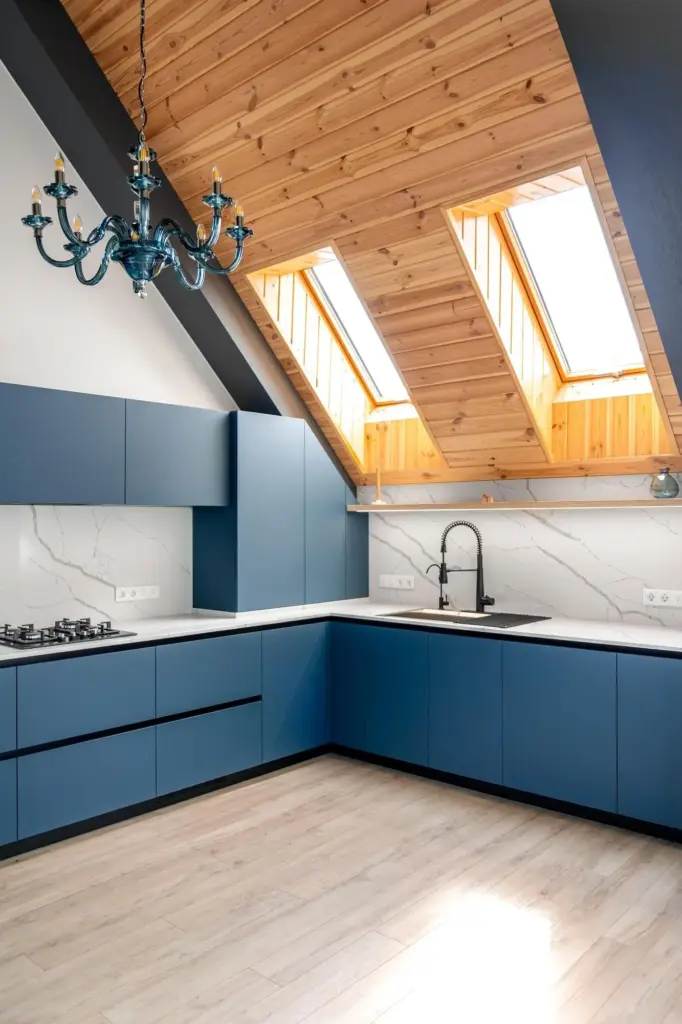
Use warm sources in the evening to nudge circadian wind‑down, ideally with dim‑to‑warm modules that track candlelike ambers below 30%. Reserve 3000–3500K for kitchens and work zones where color accuracy and alertness matter. If daylight floods a space, match the electric light slightly warmer to prevent a cold, clinical feeling. Offer a simple toggle or scene so the family can shift mood quickly without fiddling through menus.

High CRI and TM‑30 Made Friendly

Seek 90+ CRI and review TM‑30 metrics when possible, aiming for balanced fidelity (Rf) and near‑neutral gamut (Rg) unless a touch of saturation suits art or textiles. Poor rendering makes wood muddy and food unappetizing. Modern LEDs can be beautiful; insist on stable color across dimming, tight binning, and documented flicker performance. Your eyes will tire less, and photos will finally match how the room feels in person.

Three Everyday Scenes

Create Morning, Evening, and Company as defaults. Morning lifts base and task gently while keeping accents quiet. Evening lowers base, warms color, and lets a few focal points breathe. Company adds sparkle but protects faces from glare. Program fade times around five seconds, so transitions feel cinematic rather than jumpy. Invite your household to vote on tweaks, then lock labels and keep them consistent across rooms.

Dimming That Feels Natural

Choose dimmers matched to driver type to avoid shimmer and buzz. Aim for smooth low‑end performance under 5%, where ambience lives. Dim‑to‑warm modules deepen comfort at dinner and bedtime, while tunable white can support focus in studios. Store nuanced levels—like 38% or 62%—not just halves. Subtlety separates serenity from blandness, and careful dimming lets quiet layers hold the experience without any need for showy brilliance.

Smart, But Fail‑Safe

If you automate, keep a physical override at each doorway, and document circuits on the inside of a closet panel. Use schedules for exterior and path lights, not living spaces where human nuance rules. Back up scenes before firmware updates. When controls are invisible in use, the room feels intuitive to guests, and you spend more evenings enjoying conversation than troubleshooting an app or hunting for a tiny icon.

Room‑by‑Room Quiet Brilliance

Translating principles into real rooms proves the power of restraint. In living areas, gentle uplight and shaded lamps anchor conversations. Kitchens gain clarity from under‑cabinet bars and island pendants, while bedrooms lean on dim, warm layers that encourage rest. Bathrooms prioritize flattering faces and calm navigation at night. Each space invites different ratios, but the constant remains: let surfaces glow, shield sources, and respect how people actually live.

Living Room Layers That Welcome

Combine a soft wall wash behind the sofa with a pair of shaded lamps near seating, then pepper in two or three adjustable accents for art or plants. Keep overhead cans minimal or aimed wide. Store a Movie scene that drops base to a hush, plus Reading that lifts a single pool beside a favorite chair. Add a playful pop for gatherings without turning the room into a showroom.

Kitchen Clarity Without Glare

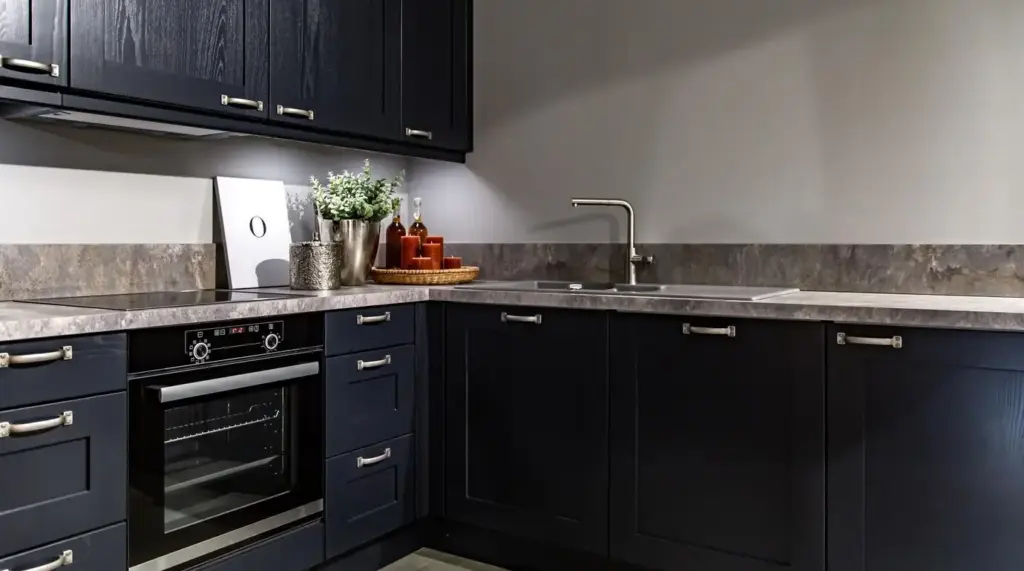
Run high‑CRI under‑cabinet light toward the backsplash to avoid sparkle, then float the island with pendants that diffuse downward and upward. Toe‑kick lines provide night guidance and a subtle sense of depth. Avoid can grids; wash tall cabinets and a single feature wall instead. Put sink and range on separate controls, and keep scenes labeled so guests can help cook without stumbling through an unfamiliar interface.

Common Pitfalls and Elegant Fixes

Missteps usually trace back to glare, flatness, or control confusion. If a room feels off, reduce peak brightness first, then lift walls and ceilings. Add shielding, soften beams, and separate circuits so accents can whisper while base rests. Swap cold, low‑CRI lamps for better spectra before buying more fixtures. Most importantly, ask how the space should feel, then let scenes tell that story with restraint and warmth.

Prevent Glare Before It Appears

Choose fixtures with deep regression, louvers, or diffusers where appropriate. Avoid exposed diodes in sightlines and reflective backsplashes facing under‑cabinet strips. Aim downlights at 30 degrees off walls to reduce scallops. Sit in the room and test angles at night before committing. When in doubt, lower brightness and lift uniformity on verticals. Your eyes will thank you long after the novelty of bright hardware fades.

Fix Dark Corners and Flat Walls

If corners feel heavy, add a small uplight behind a plant or a trimless wall washer rather than raising every dimmer. For flatness, introduce texture with grazing or a single pendant that throws patterned shadow softly. Keep ratios gentle, then retune scenes over a week of real life. Observing dinners, work, and rest reveals what photometrics cannot, and the room gradually discovers its own balance.

Spend Where It Matters Most

Invest in sources with excellent color and optics, plus reliable dimming; save on decorative pieces that are more style than light engine. Prioritize wall washing, under‑cabinet bars, and a few adjustable accents over a dense grid. Quality drivers and thoughtful controls outlast trends, quietly working every day. Share your own before‑and‑after experiences in the comments, and subscribe if you want deeper room audits and real‑world case studies.

Tipaxexarukihuxa
Privacy Overview

This website uses cookies so that we can provide you with the best user experience possible. Cookie information is stored in your browser and performs functions such as recognising you when you return to our website and helping our team to understand which sections of the website you find most interesting and useful.